
Credit: Al Higgins
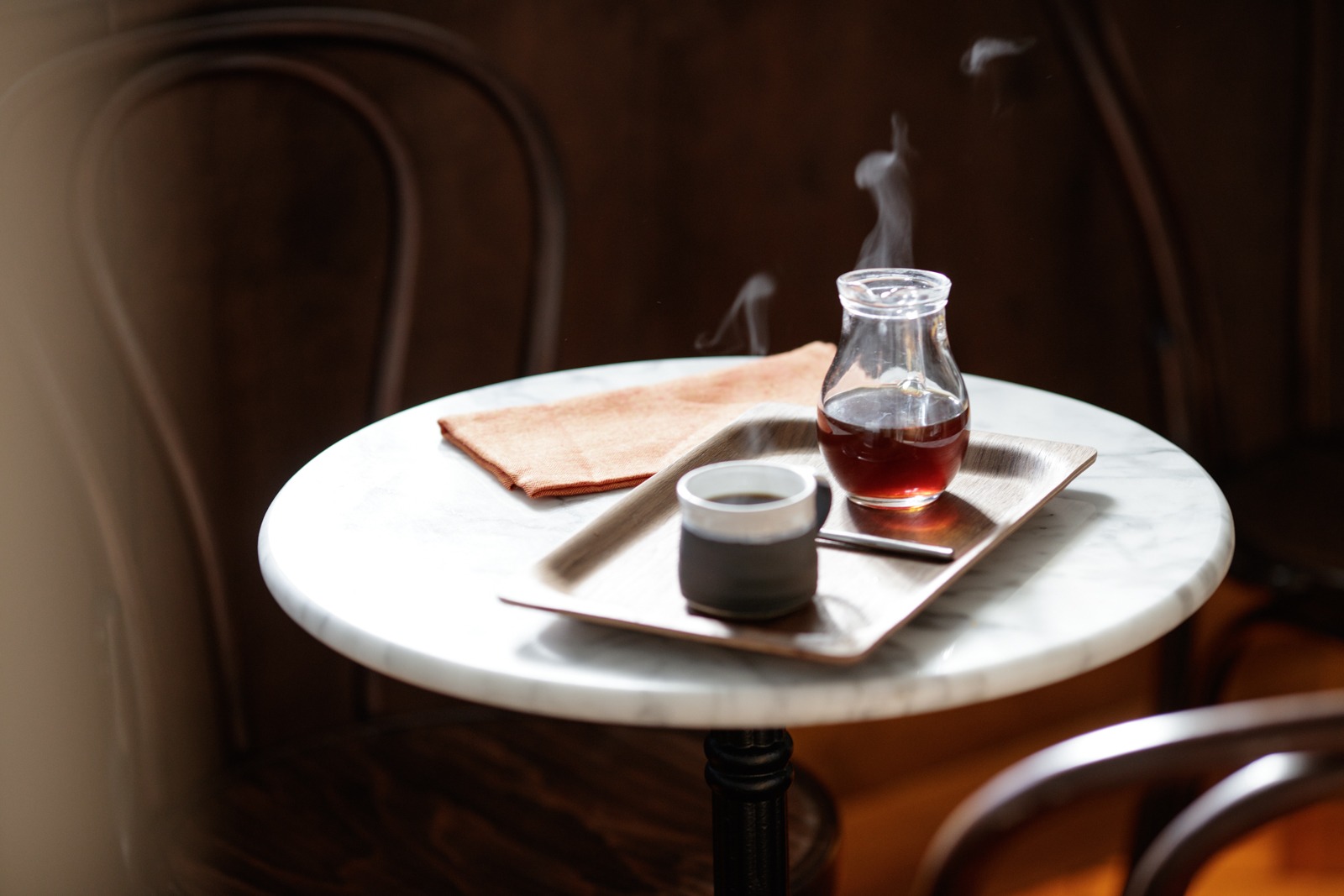
Pour over coffees, also known as filter or drip coffees, have been growing in popularity over the last decade and now are a common fixture in speciality coffee and tea shops. You can even find them in restaurants and hotel bars. Yet they are tricky to brew well and require good staff training.
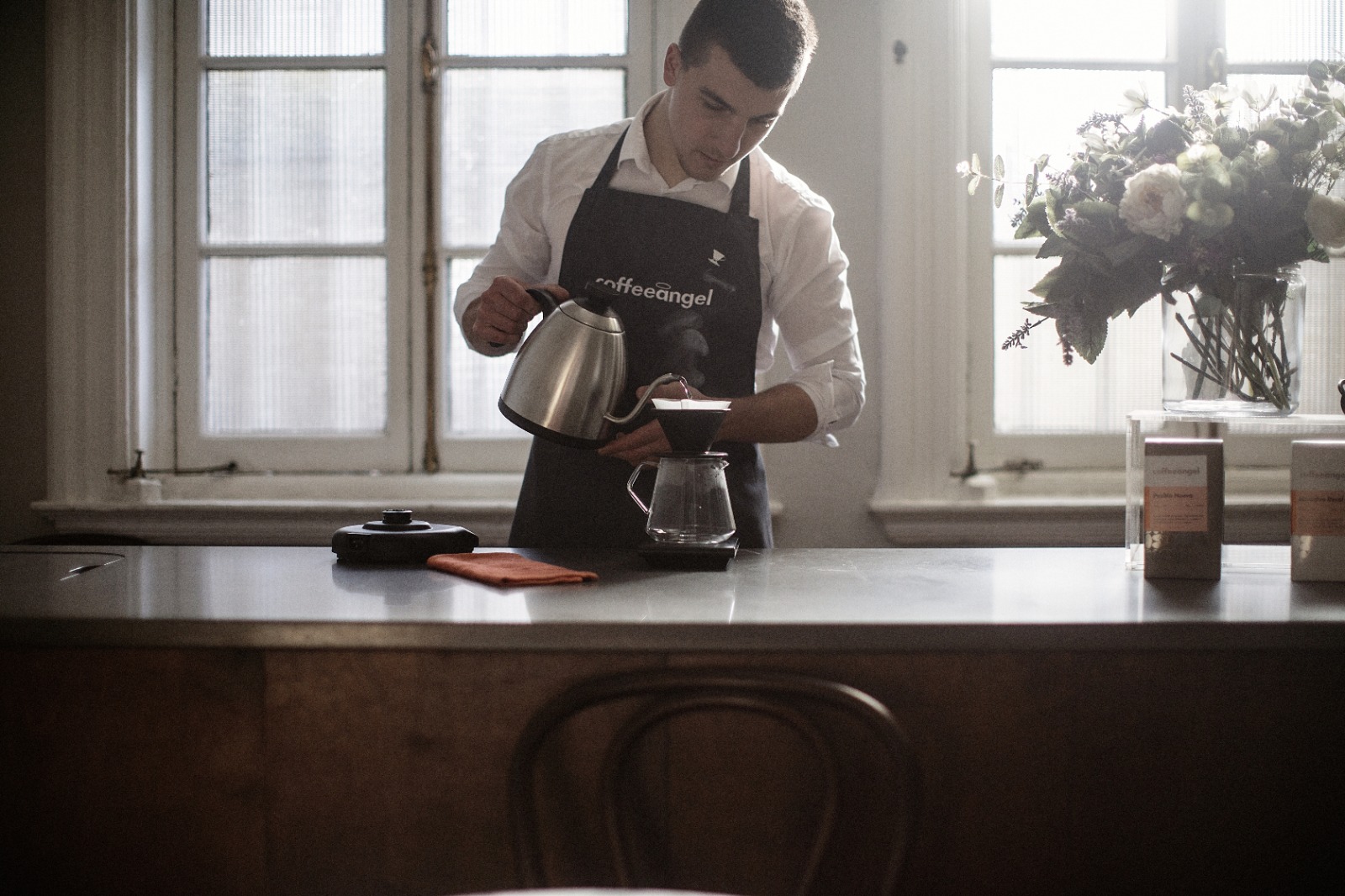
Pour overs involve pouring hot water through a bed of coffee grounds sitting in a filter. After a few minutes, the water drains into a carafe or directly into the cup. These brewing methods are famed for their ability to highlight complex coffees and let flavours and aromas shine. They are particularly popular for single origin and gourmet coffees.
We speak to Stephen Leighton, Director of Coffee at Has Bean Coffee in the UK; James Hennebry, Owner of UK-based café and roastery Rosslyn Coffee, and Karl Purdy, Managing Director at Ireland’s Coffeeangel about the challenges and advantages of pour over coffee, as well as how they train their baristas to prepare it well.
Credit: Al Higgins
The Business Advantages of Pour Over Coffee
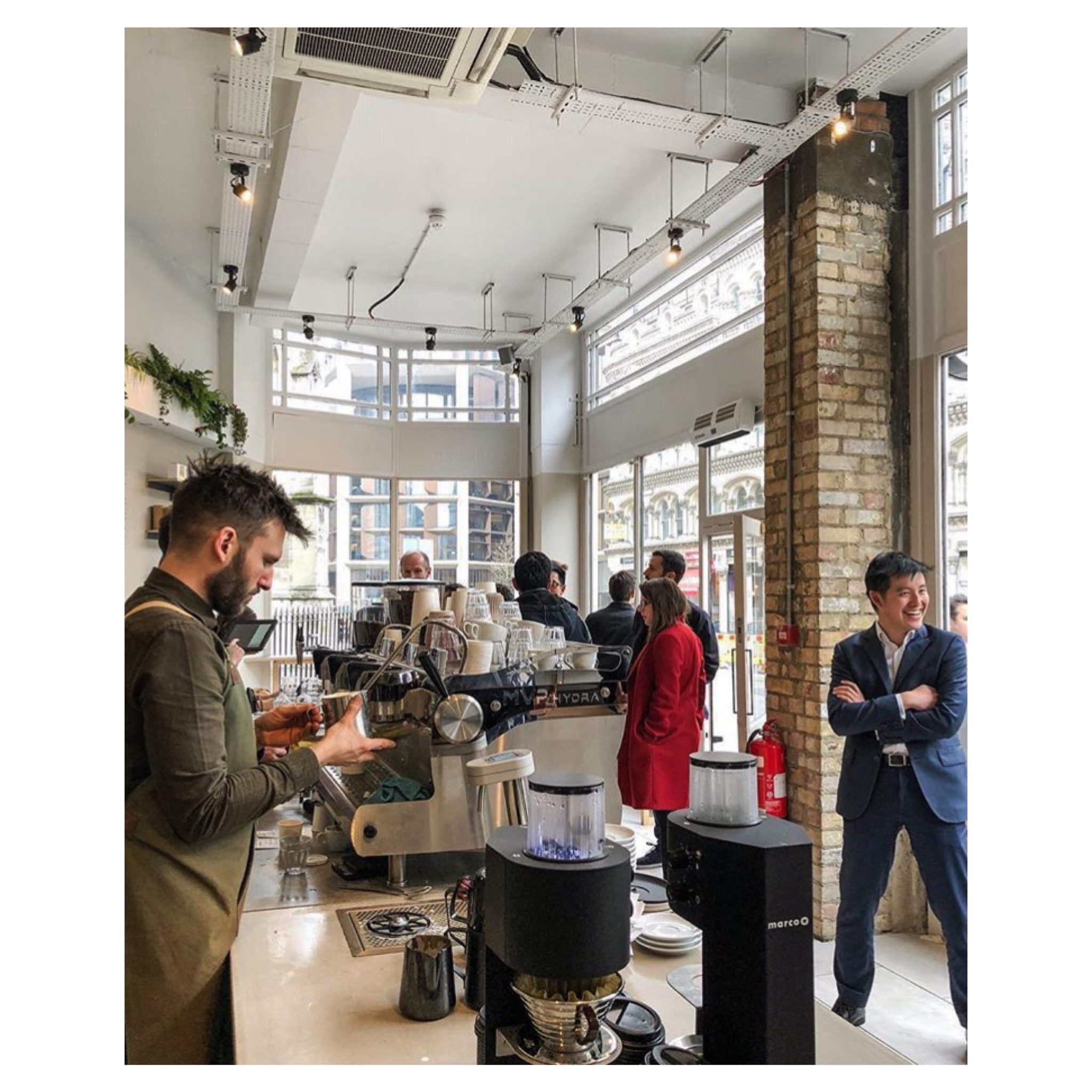
Pour over coffees are a premium service. As Hennebry tells us, “We source some of the world’s most expensive coffees from the industry’s leading roasters. These are very special coffees and we find that a pour over is the best form of representation for them.”
For many customers looking for quality coffee, seeing pour overs on the menu is an assurance that they won’t be disappointed. Businesses can market themselves as offering high-end drinks and justify higher prices because of it.
“It allows you to tell the story of the producer, which is a much better marketing opportunity to say that the coffee is better,” Leighton explains. “Whereas when you add milk on top of it and you have a latte or a cappuccino or a flat white, you miss that opportunity to really market the coffee and market the uniqueness of the brew.”
Credit: Al Higgins
Are Pour Over Coffees Challenging?
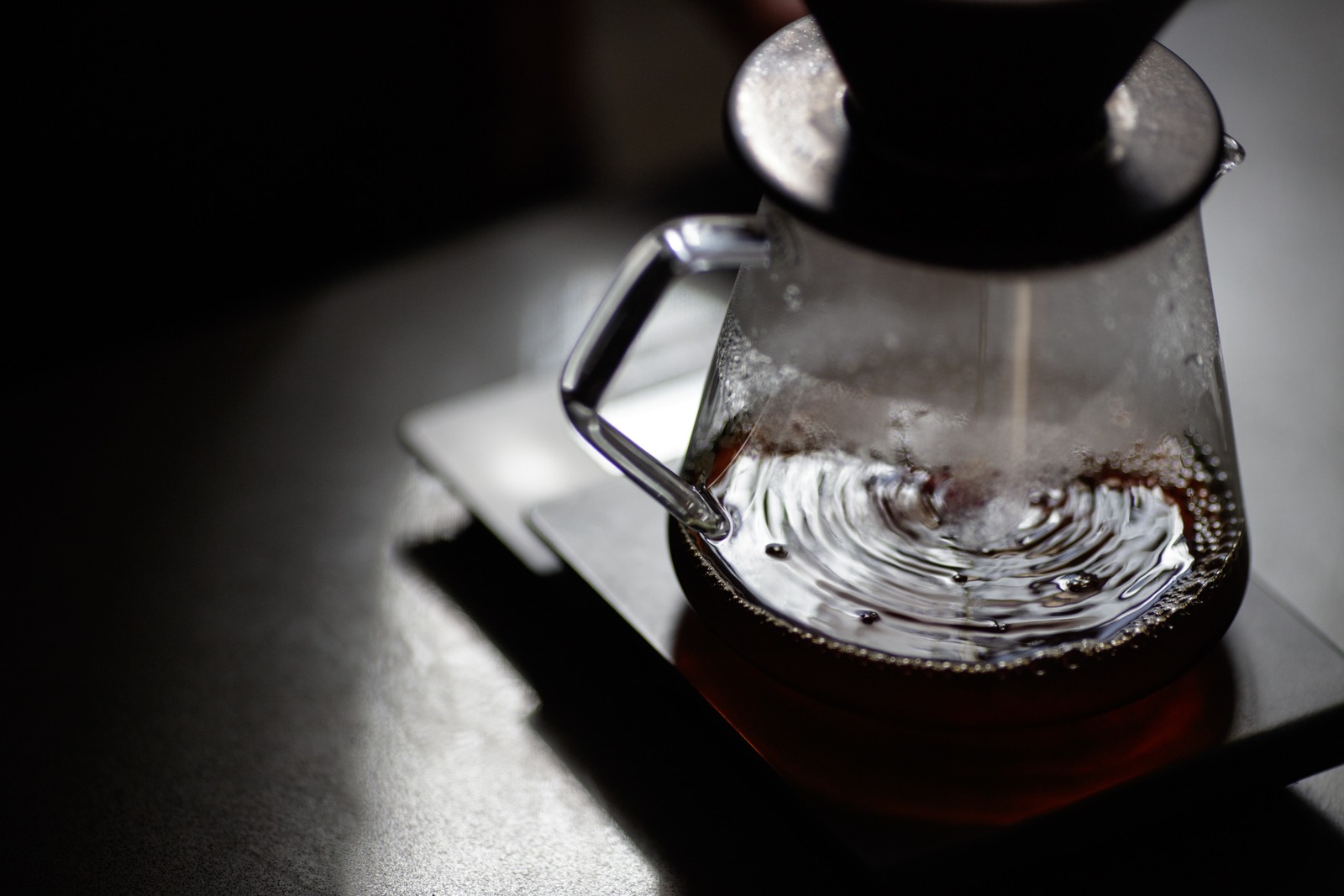
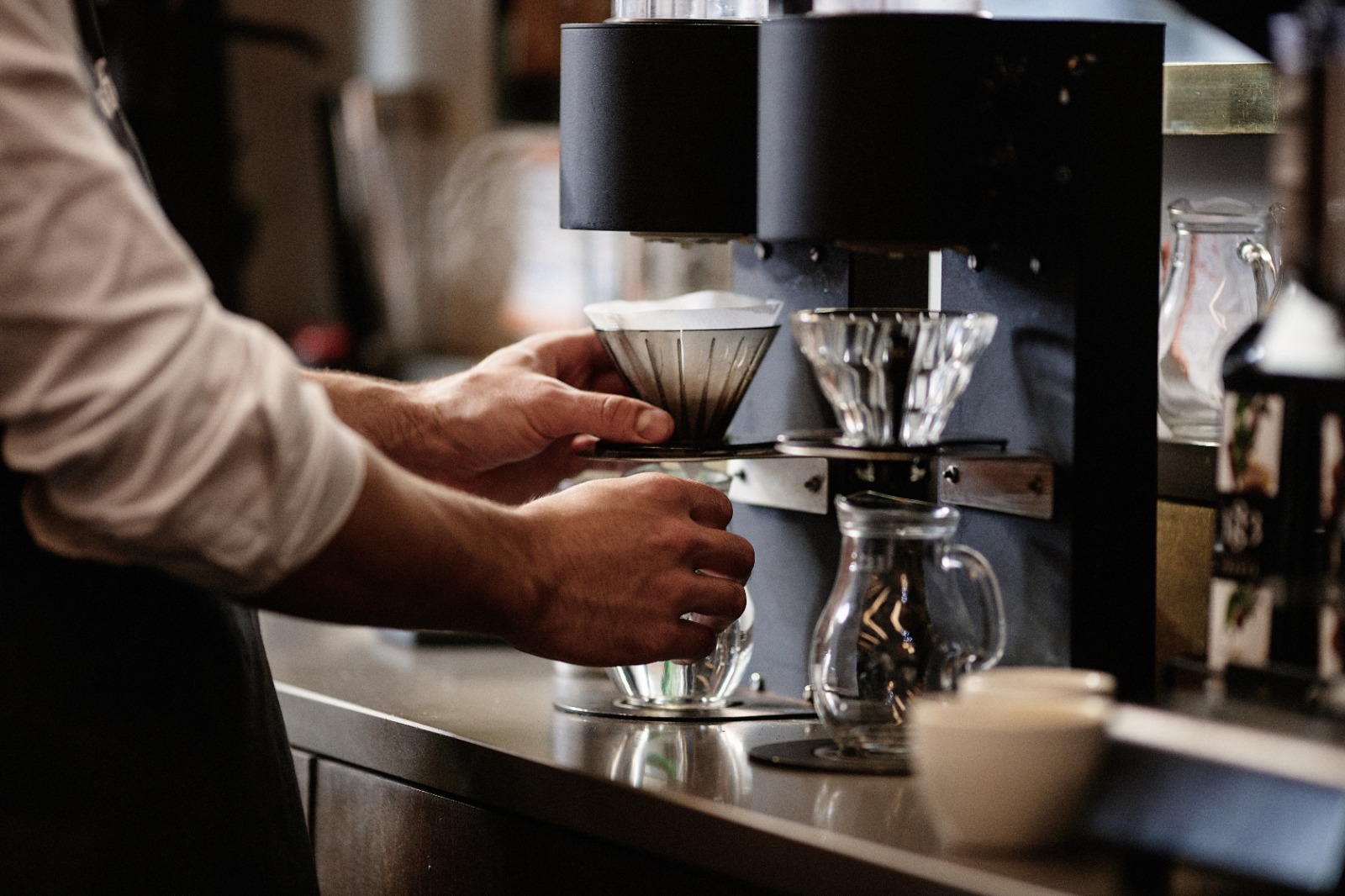
Brewing pour over coffee well can be tricky. Staff have to control numerous variables such as grind size, coffee age, water temperature, and brew time. Small variations in water temperature or dispersion can impact the quality of the coffee. This can make consistency hard to achieve, unless the coffee shop is using an automated pour over brewer such as the Marco SP9.
For Purdy, this means that good barista training is essential. “The biggest challenge is really getting the humans to understand how to brew, be confident and understand the tastes, profiles, and the potential of the coffee,” he says.
Efficiency in service can also be a concern. Pour overs have a relatively long brew time, which can frustrate busy customers. For this reason, it’s important to present them as a premium product. Additionally, if brewed manually rather than with automated equipment, it can represent a heavy labour cost and dig into the otherwise generous profit margin offered by those higher prices.
However, when brewed efficiently and consistently, they can become a premium product loved by customers. Good staff training and automated equipment can help make these a workable option for busy coffee shops and restaurants.
Credit: Rosslyn Coffee
How to Train Staff on Pour Over Coffees
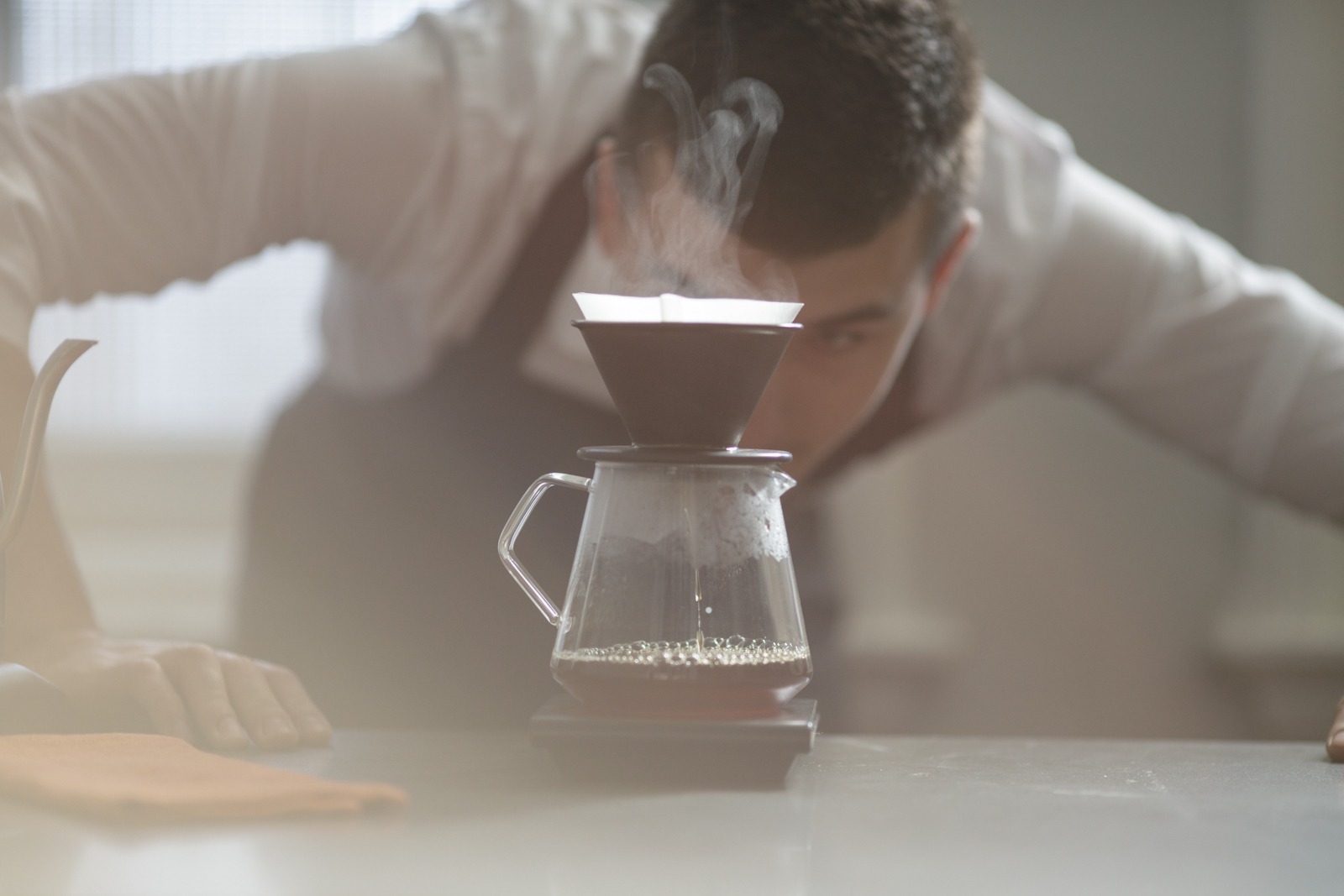
Staff should be familiarised with your pour over equipment, the recipe, and the coffee being served. They should also be confident describing the coffee and explaining why it is a speciality product to customers. It’s also important that they can work as efficiently and consistently as possible. To achieve this:
1. Encourage Staff to Be Confident
“You need to build their confidence up a little bit,” Purdy says. This will allow them to not only trust their judgment when preparing pour overs but also ensure that they can knowledgeably tell the customer about the drink and why it’s a premium option.
“You can build up a barista’s confidence by telling them this coffee is going to taste like raspberries with floral notes,” he says. “If they can brew it well and taste those things, it gives them a certain sense of comfort and of confidence, and then when they go to dial it in the next day, they know what they’re looking for because the taste was so clear.”
He also recommends encouraging staff to brew pour over coffee at home, and to begin with natural coffees or other coffees with distinctive flavour notes. “I think [brewing at home] is also another important tool in them learning and getting to grips with speciality coffee,” he says.
When baristas feel confident and empowered, they want to taste more and they want to brew more, he stresses.
Credit: Al Higgins
2. Build on The Fundamentals
It’s easy to overwhelm trainee baristas. Start with the fundamentals and then build on that. Purdy focuses on what he calls “the three Ts”: time, temperature and turbulence. “Obviously, the grind size is hugely important,” he says, “but those variables, they’re very simple to communicate.”
Regardless of how it is structured, a good training system starts with foundational knowledge. Once staff have grasped that, they can then advance to more complex concepts.
Credit: Al Higgins
3. Provide Training on Equipment & Brew Recipes
For Leighton, “training staff to use the tools and follow the recipes is the most important” of all. Equipment and brew recipes should work to help baristas and wait staff prepare pour overs efficiently, consistently, and to a high standard. However, they can only do this if the operators are both familiar with them and confident using them.
Leighton explains that reliable and precise coffee shop equipment, such as the Marco SP9, guarantees stability and precision, thereby ensuring excellence in beverage preparation. “Marco’s equipment has such stability on the temperature,” he says. “If you’re going to extract coffee, you need the water temperature to be consistent and stable, and my experience of using the machines over many years – and it has been many years – is that the temperature stability is second to none.”
The Marco SP9 is an automated pour over brewer compatible with the Chemex, Hario V60, and Kalita Wave. Users select the volume, temperature, and timing at which water is dispersed onto the ground coffee bed, which can happen up to nine times in total. This means that it is compatible with advanced coffee-brewing techniques such as pre-infusion and pulse pouring, while also being simple and intuitive to use. It removes human error and the risk of variations in water temperature.
Other hot water boilers, such as the MIX and Über Boiler, offer high-precision water temperature delivery to 0.1°C, the ability to pre-set up to three different temperatures, energy efficiency, and in-built weighing scales and timers. These can be seen as a step between the Marco SP9 and manual pour over brewing. A staff member will still be required to oversee every step of the process, but the consistency and precision of the pour over brew will be guaranteed.
Hennebry also emphasises the importance of “ensuring that the recipes are adjusted and updated when necessary, then ensuring that these recipes are followed precisely.” Having brew recipes to hand and a manager responsible for regularly reviewing them will ensure that the coffee is not just brewed consistently and efficiently but also to a high standard.
Credit: Al Higgins
pourd
Pour over coffee can be off-putting for a coffee shop or restaurant. However, it offers numerous advantages as a premium product suitably priced and is increasingly in demand. With the right training, processes, and equipment, businesses can reduce the labour required for each brew and assure quality, efficiency, and consistency. This will then allow them to meet the needs of customers and charge higher prices.