
Different tea categories are created by different processing methods. As such, these categories require different brewing times and temperatures to bring out the tea’s best flavour.
The science behind all of this is oxidation. Carri from Canton Tea explains this process, “the more oxidation that can take place, the higher the brewing temperature. When you cut an apple in half, the cut face will go brown. Oxidation happens when plant cells are damaged, and the chemical structure begins to change. These changes affect the taste, structure and function of the cells”.
Tea Origin
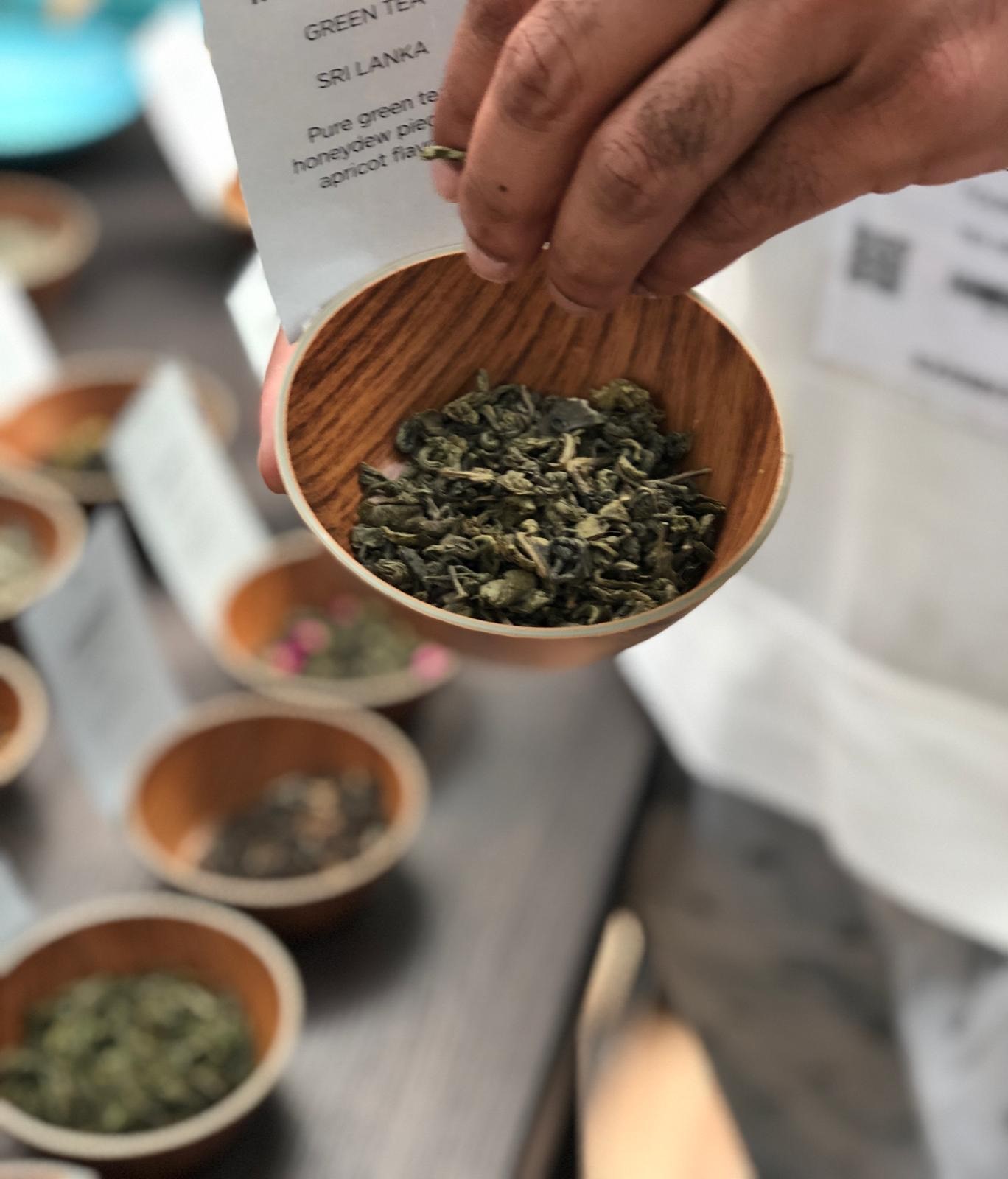
The location where tea is grown is important. Factors such as climate, altitude, rainfall, seasonality, topography and soil all play a part in taste and brewing. This is just like wine, where you get specific tastes of wine from different regions. The same idea applies to tea.
Brewing Methods
This varies from country to country. In China, the preferred method is with a porcelain Gaiwan (a lidded cup). 2.5/5 grams of leaves are infused in a small amount of water for as little as 10 seconds. Another popular Chinese method of brewing includes a clay pot called a Yixing. This pot allows the natural oils in the tea to react with the tea – resulting in a rich brew. The Japanese use a method called “Senchado”, which involves a small clay teapot with a long handle on the side called a ‘Kyusu’. This method uses 3-5 grams of tea with 3 infusions varying 5-15 seconds. “The traditional method of brewing in metal or silver teapots can produce slightly more bitter taste, mainly because the metal holds the heat too well and can impart unpleasant metallic tastes to the tea. The most important point to remember for all brewing methods is to separate the leaf from the liquor to prevent over brewing” Carri adds.
Tea Trends to Watch Out For
Green tea consumption is on the rise while black tea consumption is decreasing. Millennials are choosing to drink green tea as it is seen as a form of stress management. Matcha tea is particularly popular among everyone. “Matcha is a Japanese green tea, made from grinding de-veined and de-stemmed Tencha tea. Before plucking, the tea bushes are shaded for 3 weeks, resulting in a sweet, Umani rich liquor. The leaves are then stone ground to a powder. By ingesting the whole leaf, all the good stuff in tea is ingested” Carri says.
Temperature and Brewing Guidelines
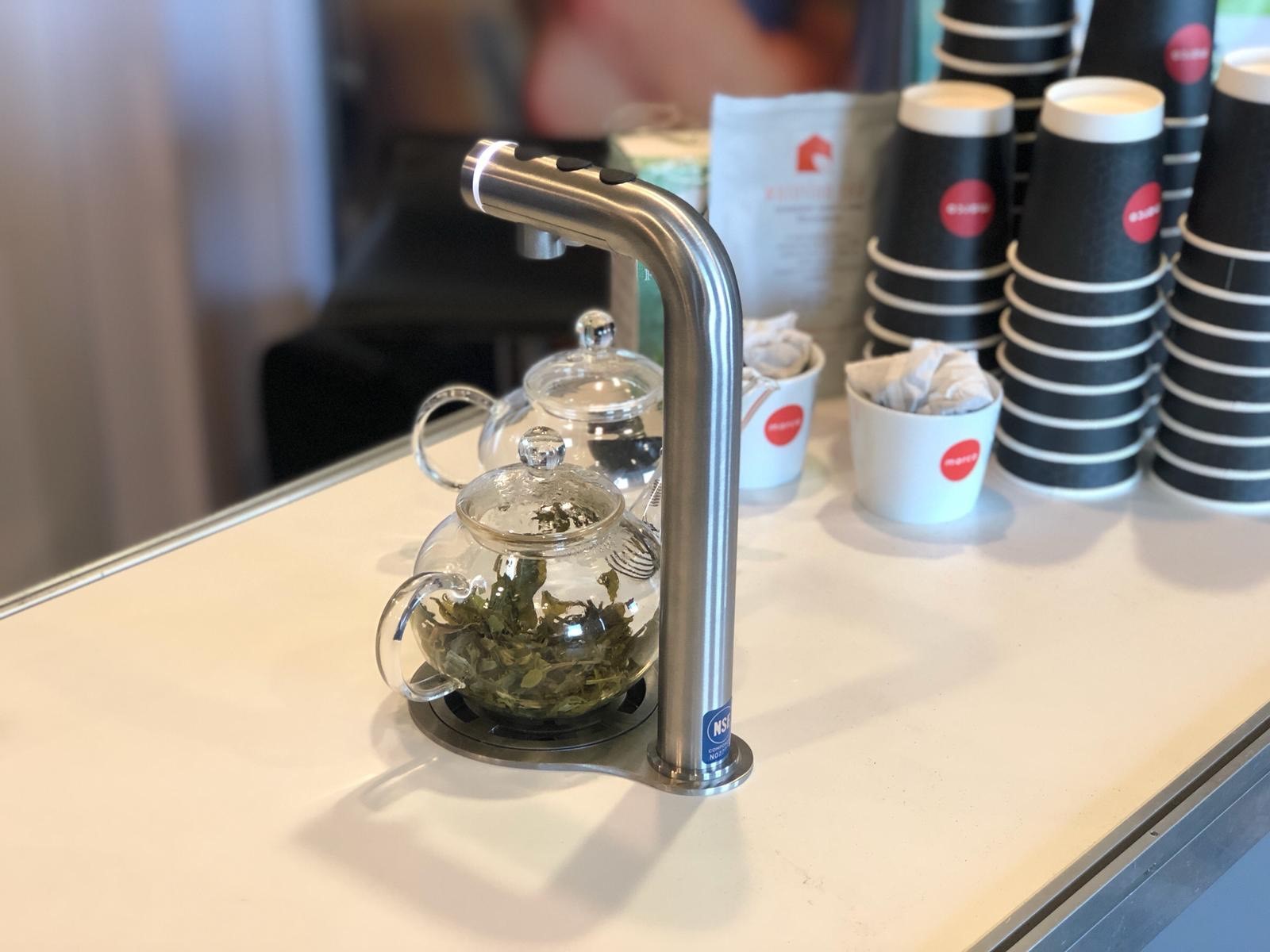
White is advised to be brewed at 80°c for 4 minutes. Green tea should be brewed between 75-80°c for about 3 minutes. When you want to make black tea, it is recommended that the temperature should be 95-98°c for 2-4 minutes. Oolong teas should be brewed for 3-4 minutes with a temperature between 85-95° c. Yellow tea is ideally brewed at 75-80°c for 3 mins. All dark teas are suitable to infuse for 2-3 minutes between 95-98°c. Carri explains how to get water at the right temperature for white and green teas, ““Invest in a Marco MIX! Or failing that, depending on the size of the teapots you use, pre-dose the pot with cold water. Ie for 500ml pot – 3 x 50cl of water will bring the temp down to 70c”.
How to Make Cold Brew
Cold brew tea is ideal to serve in the hotter months. When you brew cold tea, the bitter tasting compounds are released more slowly, and this results in the tea being sweeter than hot brew tea. To create cold brew tea, you will need 1 litre filtered cold water, 12g loose leaf tea and sweetener to taste (such as honey, sugar or syrup). Add all ingredients to an iced tea jug and stir. Then, pop in the fridge and leave to infuse for at least 1 hour (although overnight is best). Finally, pour the tea over ice and serve as is or with a slice of lemon. You can keep this tea covered in the fridge for up to 5 days.
People’s Changing Tastes
10 years ago, most people were drinking cheap black tea in tea bags. Since then, the food and drink market has changed and people are more willing to pay more for speciality tea. “customers’ tastes have become more sophisticated, they are demanding better quality and are prepared to pay more for it. In term of what we are drinking – obviously green tea is hugely popular, but oolongs and white tea consumption is on the up, and with good reason… people are discovering the amazing range of flavours and experiences that speciality tea offers” Carri adds.
If you want more information on the Marco MIX or any Marco products, get in touch.